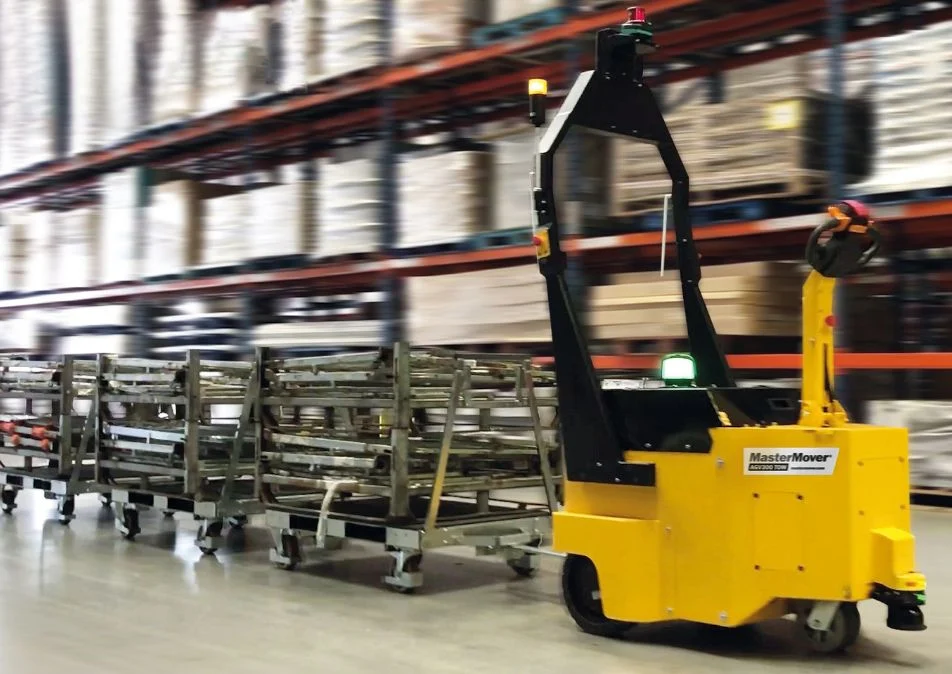
Storeroom operations are rarely the first thing that comes to mind when a facility review is scheduled, but they are often where operational inefficiencies quietly accumulate. Equipment that moves, stores, or transfers bulk materials inside a storeroom environment touches nearly every downstream workflow — from maintenance scheduling to production continuity. When that equipment is improperly installed, undersized for the actual load demand, or misaligned with the storage layout, the effects compound over time in ways that are difficult to trace back to a single root cause.
For facility managers overseeing industrial or manufacturing environments, evaluating an existing installation — or preparing to commission a new one — requires a structured approach. This checklist is designed to give operations professionals a practical framework for assessing whether storeroom bulk material handling equipment installations are genuinely meeting the demands placed on them, and where gaps in planning or execution are creating risk.
Table of Contents
Understanding What a Storeroom Bulk Material Handling Installation Actually Involves
A storeroom bulk material handling installation is not simply a matter of placing equipment inside a storage area. It encompasses the full relationship between the physical infrastructure, the material types being managed, the throughput requirements, and the workflow patterns of the people and machines interacting with that space daily. When evaluating any installation, it is important to understand that these systems are interdependent — a conveyor positioned incorrectly affects the loading sequence, which affects the time required to fulfill a request, which affects production scheduling further up the line.
Facilities in the Phoenix region operate under specific environmental conditions that add another layer of complexity to these assessments. Heat, dust, and the demands placed on equipment in arid industrial environments affect component longevity and operational reliability in ways that standard installation templates may not account for. Professionals evaluating storeroom bulk material handling equipment installations phoenix should treat regional context as a legitimate variable in any checklist, not an afterthought. For those looking at structured service frameworks that address these conditions directly, storeroom bulk material handling equipment installations phoenix represents a documented area of operational focus for regional facilities.
Why Regional Conditions Affect Installation Standards
Industrial environments in desert climates experience thermal cycling that affects both structural materials and mechanical components. Expansion and contraction cycles can gradually loosen fasteners, warp guide rails, and degrade seals on enclosed conveyor systems. Dust intrusion is a persistent issue that affects motor housings, bearing assemblies, and sensor accuracy. Facilities that do not account for these conditions during the installation planning phase often encounter premature component failure within the first operational year, and the costs associated with unplanned downtime in a storeroom environment ripple outward to affect multiple departments.
Checklist Section One: Layout and Flow Alignment
The physical layout of a storeroom and the routing of bulk material handling equipment within it must reflect actual operational patterns, not theoretical ones. One of the most common problems in storeroom installations is that equipment was placed according to a blueprint that predated the real workflow. As operations evolve, storage locations shift, personnel routes change, and new materials are introduced — but the equipment stays where it was originally installed.
Evaluating Path Clearance and Accessibility
Every piece of handling equipment in a storeroom should have clear, unobstructed access for both operation and maintenance. This means evaluating not just the primary operational clearances but also the access points required for routine inspection, lubrication, and component replacement. When maintenance personnel cannot reach critical access points without moving product or disassembling adjacent equipment, maintenance intervals are skipped or delayed. This is one of the more predictable contributors to premature equipment failure in storeroom environments.
Checking Flow Direction Against Receiving and Dispatch Points
Bulk material flow within a storeroom should move logically from receiving to staging to storage to dispatch without unnecessary cross-traffic. When handling equipment forces material to move against the natural workflow — crossing paths with outbound material or requiring repositioning before use — it increases labor time and the probability of handling errors. Review whether the current installation supports or works against the dominant flow patterns in the facility.
Checklist Section Two: Load Capacity and Material Compatibility
Every component in a bulk material handling installation has a defined operating range, and that range must be matched to the actual materials being moved — not the materials that were originally anticipated when the system was designed. Material properties change. Suppliers change. Storage requirements shift as production demand changes. A system that was appropriately sized three years ago may now be operating outside its intended parameters without any formal review having taken place.
Assessing Material Type Against Equipment Design
Bulk materials vary significantly in their behavior during handling. Some materials are abrasive and accelerate wear on contact surfaces. Others are moisture-sensitive and can cause bridging or compaction inside hoppers and chutes. Hygroscopic materials behave differently depending on ambient humidity. The relevant standard-setting body for material handling practice, including guidance on bulk material classification and equipment compatibility, is the Conveyor Equipment Manufacturers Association, whose published standards inform much of the industry’s baseline expectations for installation design.
When reviewing an installation, verify that the equipment contact materials, surface coatings, and enclosure types are appropriate for the specific bulk materials currently being handled. If the material inventory has changed since installation, this compatibility check becomes especially important.
Understanding Load Variability and Peak Demand
Equipment rated for average load conditions may perform adequately under normal operations but become a bottleneck or a failure point during peak demand cycles. In storeroom environments tied to maintenance or production operations, demand is rarely perfectly uniform. Scheduled shutdowns, seasonal production changes, and surge inventory periods all create conditions where equipment is asked to perform at or beyond its operational ceiling. A proper evaluation should include whether the installation was designed with any buffer capacity for these scenarios.
Checklist Section Three: Integration with Facility Safety and Compliance Requirements
Material handling equipment in a storeroom environment falls under several categories of workplace safety regulation, and those requirements do not become less relevant simply because the equipment is inside a storage area rather than on a production floor. Guarding, lockout/tagout accessibility, load limit visibility, and aisle clearance requirements all apply and are subject to inspection.
Reviewing Guarding and Access Controls
Any moving component that presents a pinch point, entanglement risk, or ejection hazard must be properly guarded. Storeroom installations sometimes receive less rigorous attention in this area because they are perceived as lower-risk environments compared to production zones. In practice, the combination of pedestrian traffic, forklift interaction, and powered equipment in a confined storeroom space creates a specific set of risks that warrant careful guarding review. Evaluate whether current guarding reflects the actual operating environment or was installed as a baseline measure without subsequent review.
Lockout/Tagout Accessibility and Documentation
For any maintenance or cleaning activity involving bulk material handling equipment, personnel must be able to isolate energy sources completely and verifiably. This requires that isolation points are clearly identified, physically accessible, and documented in up-to-date lockout/tagout procedures. Installations where energy isolation points are difficult to reach, unmarked, or absent from current documentation create conditions where personnel either skip the procedure or take shortcuts that introduce injury risk. This is a checklist item that should be reviewed with maintenance personnel directly, not just confirmed against the original installation documentation.
Checklist Section Four: Maintenance History and Condition Assessment
An installation that looks functional may be operating on deferred maintenance. In storeroom environments, where equipment tends to receive less formal oversight than production-critical systems, maintenance deferrals accumulate gradually. By the time a component fails, the contributing factors have typically been present for months.
Reviewing Maintenance Records Against Manufacturer Intervals
Compare the actual maintenance history of each major component against the manufacturer’s recommended service intervals. Look specifically for patterns of delay rather than isolated instances. Consistent delays in lubrication, belt tension checks, or sensor calibration indicate either a resource problem or a scheduling structure that does not adequately prioritize storeroom equipment. Either finding has implications for how the maintenance program should be adjusted going forward.
Conducting a Physical Condition Walkthrough
A structured physical review of the installation should include:
• Visual inspection of structural supports and anchor points for corrosion, deformation, or loosening
• Assessment of wear surfaces on conveyors, chutes, and hoppers for material thinning or damage
• Review of drive components for unusual noise, vibration, or heat generation during operation
• Evaluation of dust containment and sealing systems for gaps or degradation
• Verification that all safety devices, including emergency stops and overload protection, are functional and correctly positioned
Checklist Section Five: Operational Feedback from Storeroom Personnel
Equipment evaluations that rely entirely on documentation and physical inspection miss an important source of information: the people who interact with the installation daily. Storeroom personnel develop detailed awareness of equipment behavior over time — they know which conveyors run rough at startup, which hoppers tend to bridge under certain conditions, and which components need attention before the maintenance system generates a formal work order.
Structuring Operational Interviews
Conversations with storeroom staff during an evaluation should focus on specific, observable behaviors rather than general satisfaction. Ask which tasks take longer than they should and why. Ask what workarounds have developed around specific equipment limitations. Ask whether there are times of day or operational conditions when equipment performs noticeably differently. These responses often reveal systemic issues that would not appear in a records review or physical inspection alone.
Concluding Thoughts
Evaluating storeroom bulk material handling equipment installations is not a single-event activity. It is an ongoing operational discipline that reflects the maturity of a facility’s maintenance and reliability culture. The checklist outlined here is intended as a structured starting point, not a complete operational standard — every facility has specific variables that will require additional attention based on the materials handled, the age of the installation, and the demands placed on it by surrounding operations.
What this framework makes clear is that storeroom installations are not passive infrastructure. They are active operational systems with the same capacity for degradation, misalignment, and risk accumulation as any other piece of production equipment. Treating them with the same level of structured evaluation discipline applied elsewhere in the facility is not over-engineering — it is basic reliability practice. For facilities where bulk material handling equipment supports critical maintenance or production functions, the cost of an undetected installation problem rarely justifies the time saved by skipping a thorough review.
-

-

-

-

-

-