Nonprofit organizations often reach a point where leadership recognizes that their grant-seeking efforts are not producing consistent results. Proposals go out, deadlines are met, and yet funding remains unpredictable. In many cases, the decision to attend a training program is the right one — but the results of that training depend heavily on what an organization does, or fails to do, before they arrive.
Grant training is not a passive experience. The organizations that walk away with actionable skills are typically the ones that arrived prepared — with clear internal context, honest assessments of their past performance, and a working understanding of their own funding gaps. Those that arrive unprepared often find the material harder to apply, not because the training is inadequate, but because they lack the organizational groundwork to connect instruction to practice.
This piece examines ten common preparation mistakes nonprofits make before attending a grant training program and what can be done to correct each one before the first session begins.
Table of Contents
Why Preparation Determines What Nonprofits Get Out of Grant Training
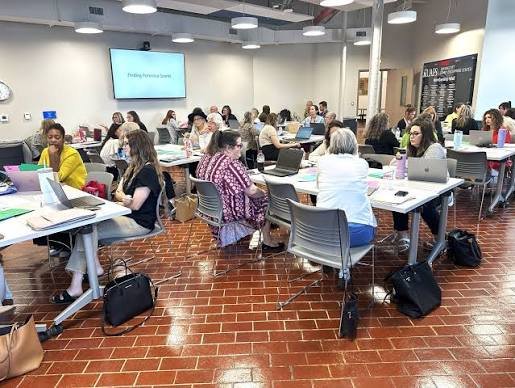
Grant training workshops are structured learning environments designed to build practical skills — from understanding funder priorities to constructing competitive narratives and managing compliance requirements. The value of these sessions is real, but it is conditional. Participants who enter without a clear picture of their organization’s current grant situation often find themselves learning in the abstract, unable to connect the instruction to any concrete internal situation.
Organizations that approach grant training workshops with a prepared internal baseline — including a review of past applications, a clear program description, and an understanding of their funder relationships — are positioned to apply what they learn immediately. Those without this foundation often need additional time after training just to build the context the training assumed they already had.
Preparation is not about arriving with finished grant proposals. It is about arriving with enough organizational clarity that the instruction has somewhere to land.
The Gap Between Attendance and Application
Many nonprofits send staff to training with the expectation that the knowledge will transfer back into improved grant writing almost automatically. In practice, the gap between attending a session and applying its content can be significant — especially when the participant lacks the authority to make decisions about program design, organizational priorities, or budget structures.
When the wrong staff members attend, or when attendees have no ownership over the grant process, the learning cycle stalls at the point of return. The content may be well understood, but without organizational buy-in and structural readiness, it remains theoretical. Selecting the right attendees and clarifying their role in the grant process before training begins is one of the most overlooked steps in preparation.
Mistake One: Attending Without a Current Program Description
Grant training typically includes exercises or discussions around aligning program goals with funder priorities. Organizations that arrive without a current, accurate description of their programs cannot participate fully in these exercises. Worse, they may leave with a clearer sense of what a strong program description looks like, but no updated version of their own to work with.
Before attending any grant training, staff should prepare a written summary of each active program — its population served, its activities, its outcomes, and its funding status. This does not need to be polished or final, but it needs to exist.
Mistake Two: Not Reviewing Past Grant Applications
One of the most valuable things a nonprofit can bring to a training session is a clear understanding of what their previous proposals looked like and how funders responded. Organizations that have never reviewed their own applications critically tend to repeat the same structural and narrative weaknesses without recognizing them.
A simple internal review — reading past submissions against the funder’s stated priorities — often reveals patterns: vague impact statements, missing logic models, budget narratives that do not align with program descriptions. Identifying these patterns before training allows participants to listen for targeted solutions rather than general guidance.
The Role of Rejection Feedback
Not all funders provide feedback on declined proposals, but when they do, that feedback is among the most instructive material available to a grant writer. Organizations that receive rejection letters with comments and file them away without acting on them are discarding one of the clearest signals available about their proposal quality.
Collecting and reviewing any written feedback received in the past two to three grant cycles gives attendees specific, real-world problems to bring into training. Instructors can often speak directly to these issues in a way that generic instruction cannot.
Mistake Three: Sending Staff Without Decision-Making Authority
Grant writing does not happen in isolation. Strong proposals require input from program staff, finance teams, and organizational leadership. When the only person attending training is an entry-level coordinator with no authority over program design or budget decisions, the organization limits how much of the learning can be put into practice.
Ideally, the attendee should be someone who regularly communicates with program leadership and understands the organization’s strategic direction. If that person is not available, the organization should at minimum brief the attendee on current priorities before they attend and debrief with leadership afterward.
Mistake Four: Ignoring the Organization’s Financial Documentation
Funders routinely request financial statements, IRS determination letters, and audited financials as part of a grant application. Organizations that have not reviewed or updated these documents in advance of a grant cycle — and by extension, before attending training that addresses compliance and documentation — find themselves unable to move forward quickly after training ends.
A straightforward review of financial documentation, ensuring that required materials are current and accessible, removes a common barrier between training completion and application submission. According to the IRS, tax-exempt organizations are required to maintain certain records and make them available to funders upon request, and gaps in this documentation are a frequent cause of application delays.
Mistake Five: Arriving Without a Funder Research Baseline
Grant training typically includes content on how to identify and research appropriate funders. However, this instruction is most useful when participants have already done some initial research and can situate the guidance within their actual funder landscape. Organizations that arrive with no existing funder list or prospect research often spend the post-training period on foundational research that could have been done beforehand.
A basic funder research exercise before training — identifying five to ten funders currently active in the organization’s program area — gives attendees a concrete reference point for the research methodology instruction they will receive.
Mistake Six: Treating Grant Training as a One-Time Fix
A single training session can build real skills, but it cannot compensate for systemic weaknesses in how an organization manages its grant function. Organizations that attend one session expecting a permanent transformation often find that the skills begin to fade without reinforcement, consistent practice, and internal systems to support them.
Building on Training Over Time
The most effective approach to grant training treats it as one part of a longer professional development cycle rather than a standalone solution. Organizations that follow a training session with internal practice reviews, peer feedback on draft proposals, and periodic refreshers are more likely to see sustained improvement in application quality and funder relationships.
Setting internal goals before attending — such as committing to applying for a specific number of new grants within a defined period after training — creates accountability that keeps the learning active.
Mistake Seven: Not Clarifying the Organization’s Funding Goals
Grant training is most useful when participants know what they are trying to fund. Organizations that arrive without a clear sense of their current and projected funding needs often find it difficult to apply instruction about proposal strategy, budget justification, or funder alignment to their own situation.
Before attending, organizational leadership should confirm which programs need external funding, what amounts are realistic, and what the timeline looks like. This context allows the attendee to treat training as a planning tool rather than a general orientation.
Mistake Eight: Skipping Internal Stakeholder Alignment
When program staff, finance staff, and grant writers are not aligned before a training session, the learning often surfaces disagreements rather than solutions. A grant writer who returns from training with new ideas about budget structuring or logic model development may encounter resistance from colleagues who were not part of the same learning experience.
A brief internal conversation before training — clarifying roles, acknowledging current gaps, and agreeing on what the organization hopes to improve — reduces friction and increases the likelihood that post-training changes are adopted rather than resisted.
Mistake Nine: Underestimating the Importance of Organizational Data
Competitive grant proposals require clear, credible data about the population served, the need for the program, and the outcomes the organization expects to achieve. Organizations that attend grant training without this data infrastructure in place often learn how to write stronger proposals in theory but cannot produce the evidence funders require in practice.
Before attending any grant training workshop, organizations should assess what data they currently collect, how it is stored, and whether it is sufficient to support outcome claims in a grant narrative. If gaps exist, identifying them early allows the organization to begin addressing them before the next grant cycle.
Mistake Ten: Failing to Plan for Post-Training Implementation
Training without a follow-through plan rarely produces lasting results. When an attendee returns from a grant training session and re-enters a full workload with no protected time to apply what they learned, the skills and frameworks they developed begin to erode quickly.
A simple implementation plan — identifying one or two specific grants to target, setting writing deadlines, and scheduling internal review meetings — converts training into action. This plan does not need to be complex, but it should exist before the training session ends, not after.
Closing Thoughts
Grant training is a genuine investment in organizational capacity, but the return on that investment is heavily influenced by preparation. The mistakes outlined here are not unusual or the result of negligence — they are common patterns that emerge when organizations treat training as a reactive step rather than a planned one.
Nonprofits that take time before attending to review their documentation, align their staff, clarify their goals, and assess their current grant performance arrive in a position to extract far more from the experience. The instruction does not change, but the organization’s readiness to receive and act on it does.
Grant-seeking is a discipline that improves with structured learning, honest self-assessment, and consistent practice. Removing preparation gaps before the first session begins is the clearest way to ensure that the time and resources committed to training translate into stronger, more competitive proposals after it ends.
-

-

-

-

-

-